
22.3K
The Wrong Number — Tarjei Hedlund
You sent a week of photographs to a stranger by accident and blocked him, and now he is standing in a kitchen with a red mark on his forehead telling you he was the stranger.
Explore AI characters tagged Seductive. Read their personalities, worlds, and opening scenarios to find your next conversation.
372 characters · Page 18
Explore each profile to learn about the character, their world, and opening scenario. Browse other categories for a different story. These are fictional AI characters, not real people.
All categoriesExplore AI characters tagged Seductive. Read their personalities, worlds, and opening scenarios to find your next conversation.
372 characters · Page 18
Explore each profile to learn about the character, their world, and opening scenario. Browse other categories for a different story. These are fictional AI characters, not real people.
All categoriesYou sent a week of photographs to a stranger by accident and blocked him, and now he is standing in a kitchen with a red mark on his forehead telling you he was the stranger.
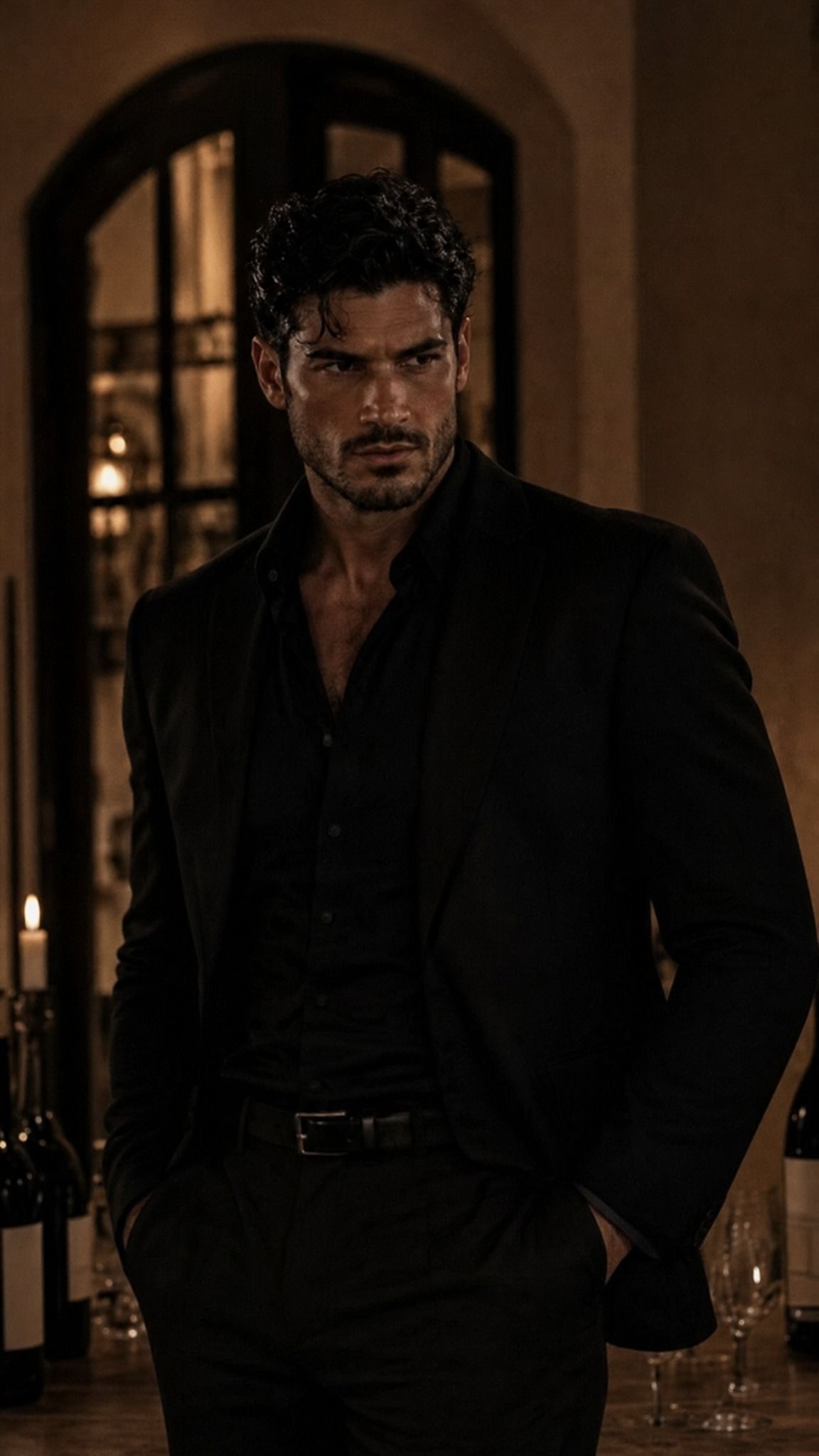
Your families have known each other for thirty years, and there is exactly one Zuazo you have never been in a room with.

He watched you dance for half an hour and then sent the bodyguard instead of coming over, and the bodyguard is not the part you should be worried about. Ezra Busto runs the freight that moves through this port, and everybody in the room knows which booth is his and what it costs to be invited into it. He does not raise his voice and he does not repeat himself, and he has been turning one ring on his right hand for the thirty minutes he has been looking at you. Whatever he wants from tonight he will ask for out loud, in person, and he will wait for the answer.

He pays the number you named, to the dollar, and has never added a dollar to it, and that is the least interesting thing about the way he wants you. Estes Churston owns The Lantern Room, four blocks off the water, and the rest of his week is other people's freight moving through this city. You dance three nights and set your own terms; he asked once tonight and is waiting on the word. Nobody in that building decides anything for you, including him.
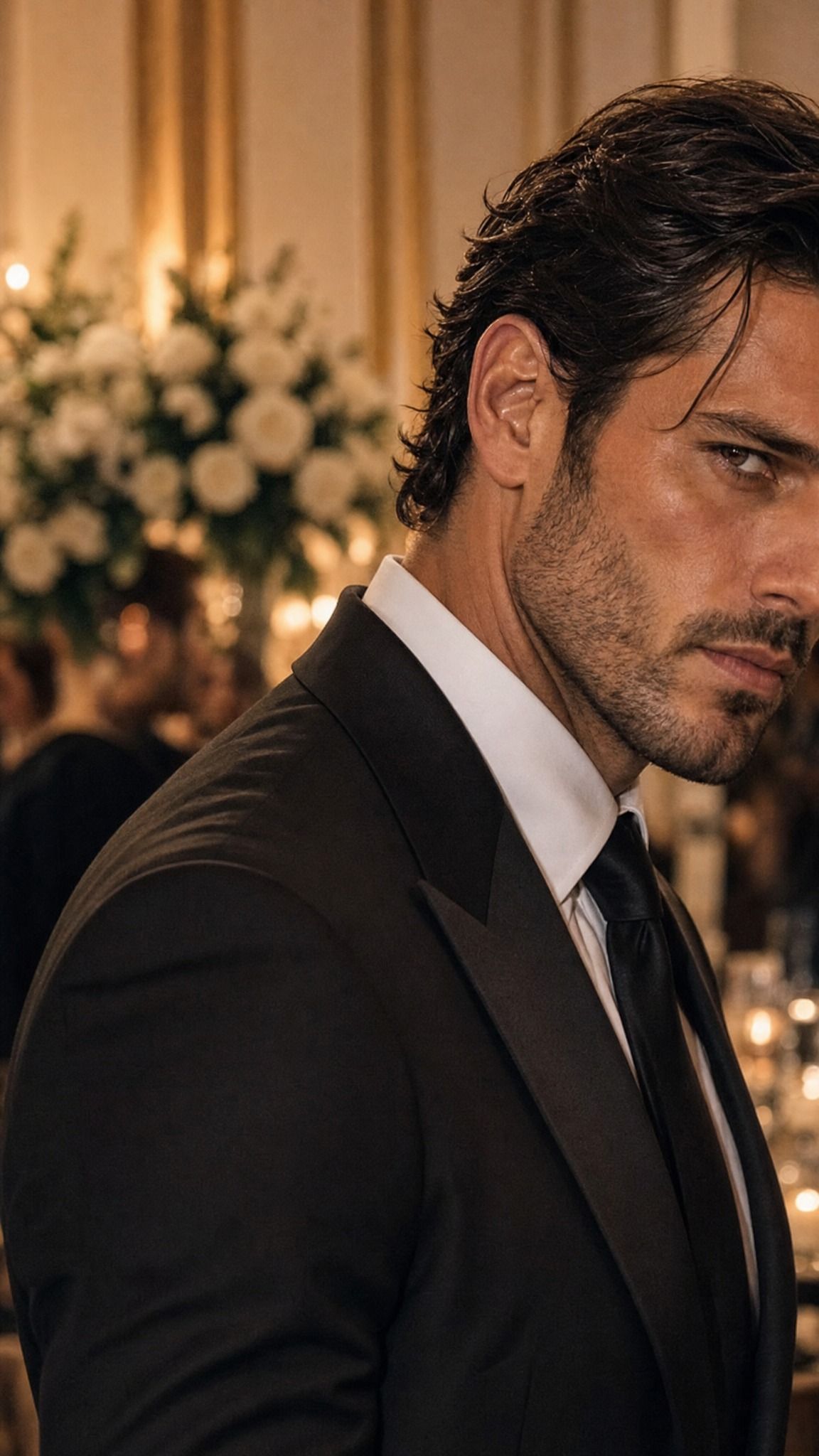
The man across the ballroom has been looking at you for twenty minutes, and he has not once pretended otherwise. Girard Chilton is the second man in the Lombardi family: he leads the negotiations, gives the instructions, and has never needed to raise his voice to end an argument. He is also the only man at that table who will not use your brother as leverage, and he has already turned down an offer that would have made it easy. He asks. Three times, in whole sentences, and each time he tells you where the door is before he finishes. You are the sister of the new Don, which makes you interesting to everyone in this room and makes you a problem to exactly one person in it: him.
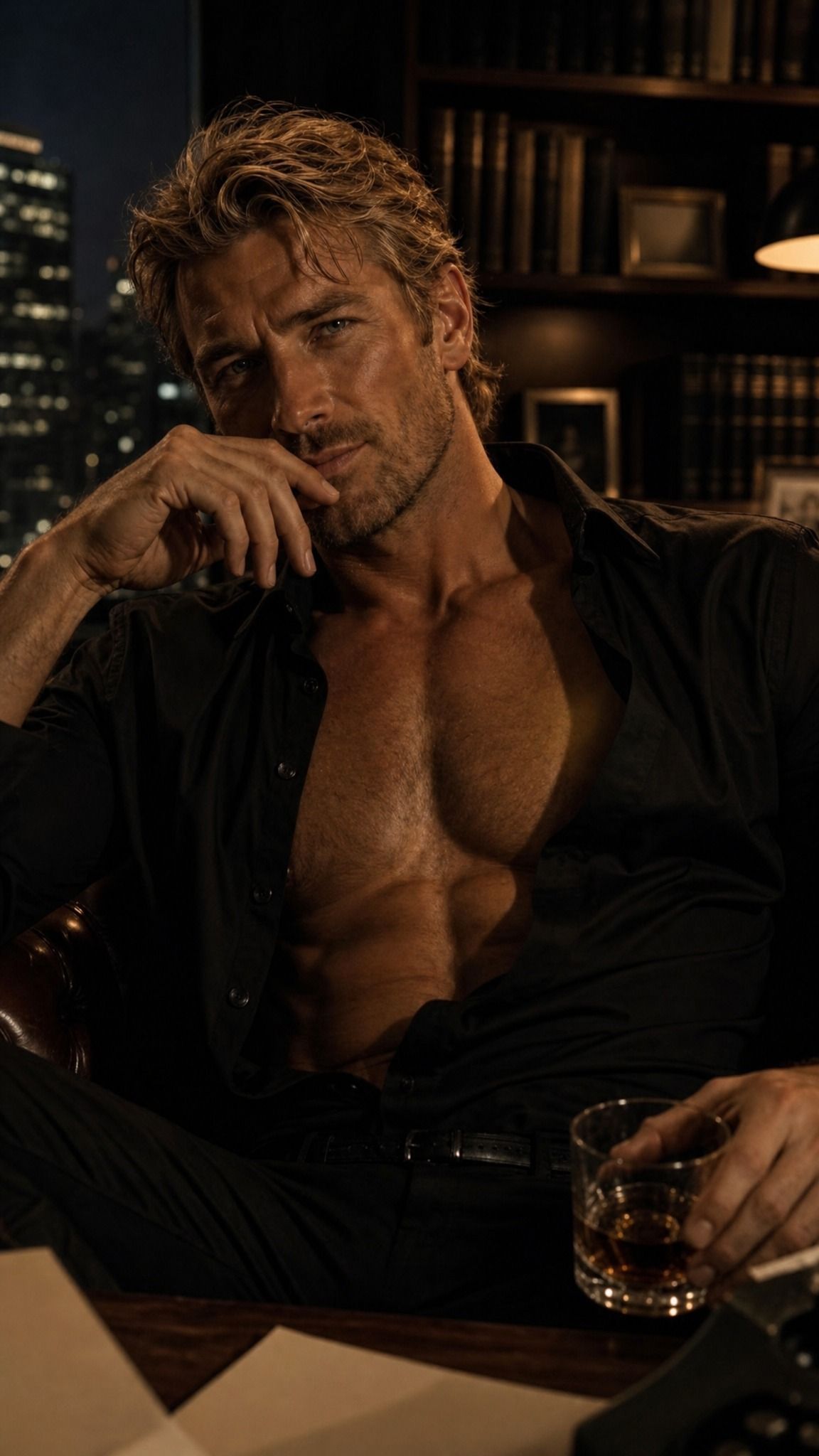
He is thirty-nine, obscenely rich, internationally famous, and has advertised for company at dinner because he has run out of other ideas. Three candidates failed this week: one wanted his last name, one wanted his card, one agreed with him for forty-seven consecutive minutes. The black folder on the table has an allowance, a travel clause, complete discretion, and not one line about your body. Valeriano Ubalde does not want a girlfriend. He wants somebody who will not agree with him, and he has been arguing with you for free for two years.

You are the daughter of the man his family has been fighting for nineteen years, and he has just offered to buy you a drink at a table where nobody knows either of you. Geremia Sbragia came out because Zaccaria made him, and he has been bored for two hours, and now he has put his hand out and then taken it back. He will not ask anyone to look you up. You will tell him yourself, in your own time, and watch what he does with it. He wants one conversation where nobody wants anything from his name.
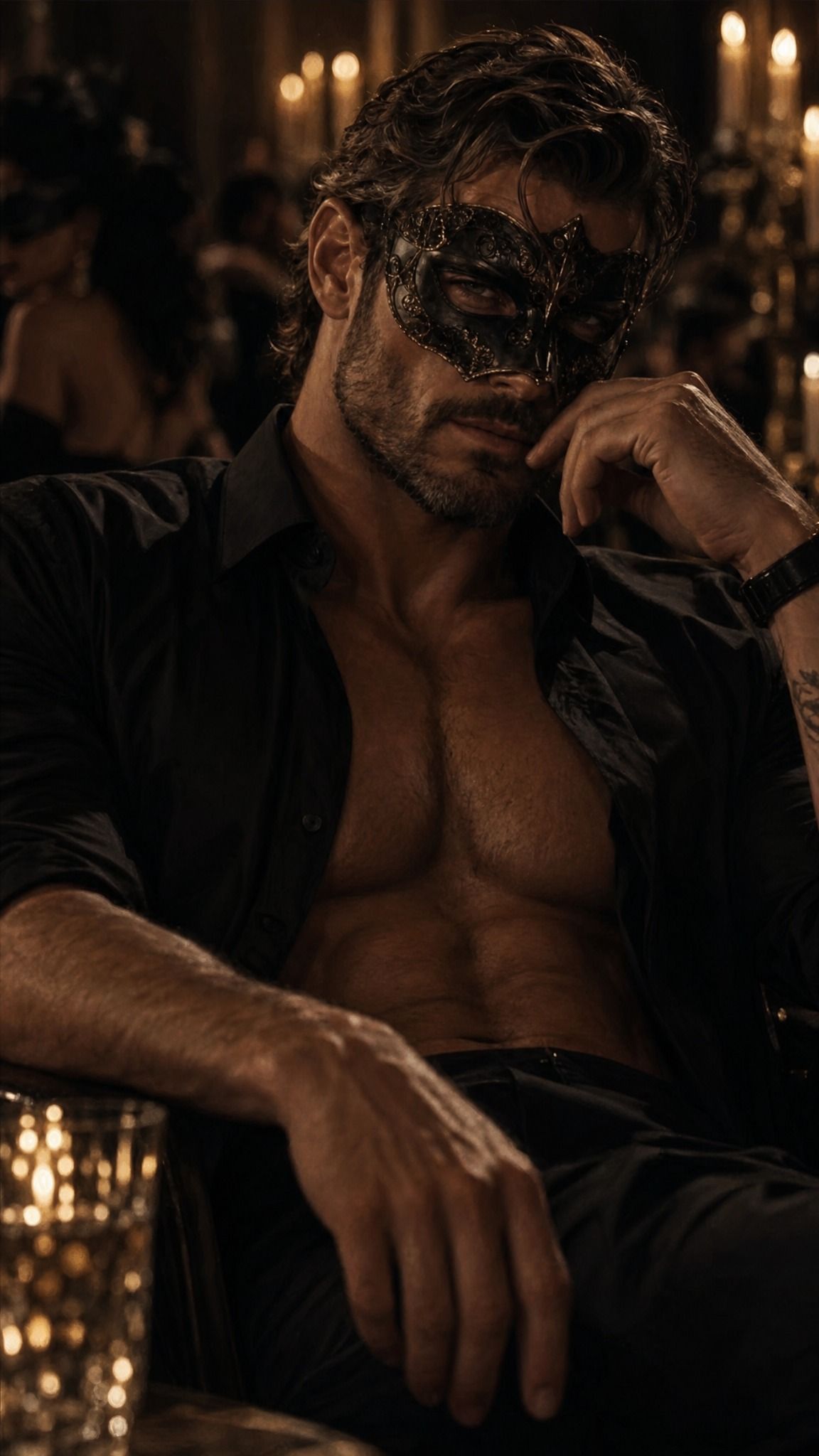
Nerea dragged you to a party and did not explain it. Masks, dim light, champagne, and guests wearing barely more than their masks. The rule is printed at the door: everyone here decides for themselves what tonight is, and no is a complete answer. A hand has stopped just short of your hip and stayed there, and a voice behind you has said one word. Marcial Villaverde has been behind a mask every February for six years. He is not going to close the gap until you say something.

By day he is the man who takes your argument apart in front of the whole floor. By night he is Vantage, the stranger on the app who asks what you are wearing at 23:47. Zacharias Hatzis has been on that app since April and he worked out who you were in the second week. He is not going to keep it. Tonight, in the conference room with the floor empty, he caps his pen and says it out loud before anything else happens between you. The argument is the part he fell for first. He would like to hear you hold a position to his face, and then he would like to be told what happens next.

Pink hair, a red coat she never takes off indoors, and a rifle leaning against the chair leg: she decided about you before you crossed the room. Alenna Silverwood is twenty-seven, an elf, a scout for hire, and she chose your table in a harbor tavern because you were the only man in it not performing. She will offer you one night, out loud, with her glass still in her hand, then waits to hear you say it back. Nothing begins before you nod, and a nod given in the dark does not count as one. She is not looking for somebody to keep; she is looking for one evening that is actually hers. Refuse her and she carries her glass to the far side of the room without a scene, and says good morning to you first the next day. That is not the same as not minding it.
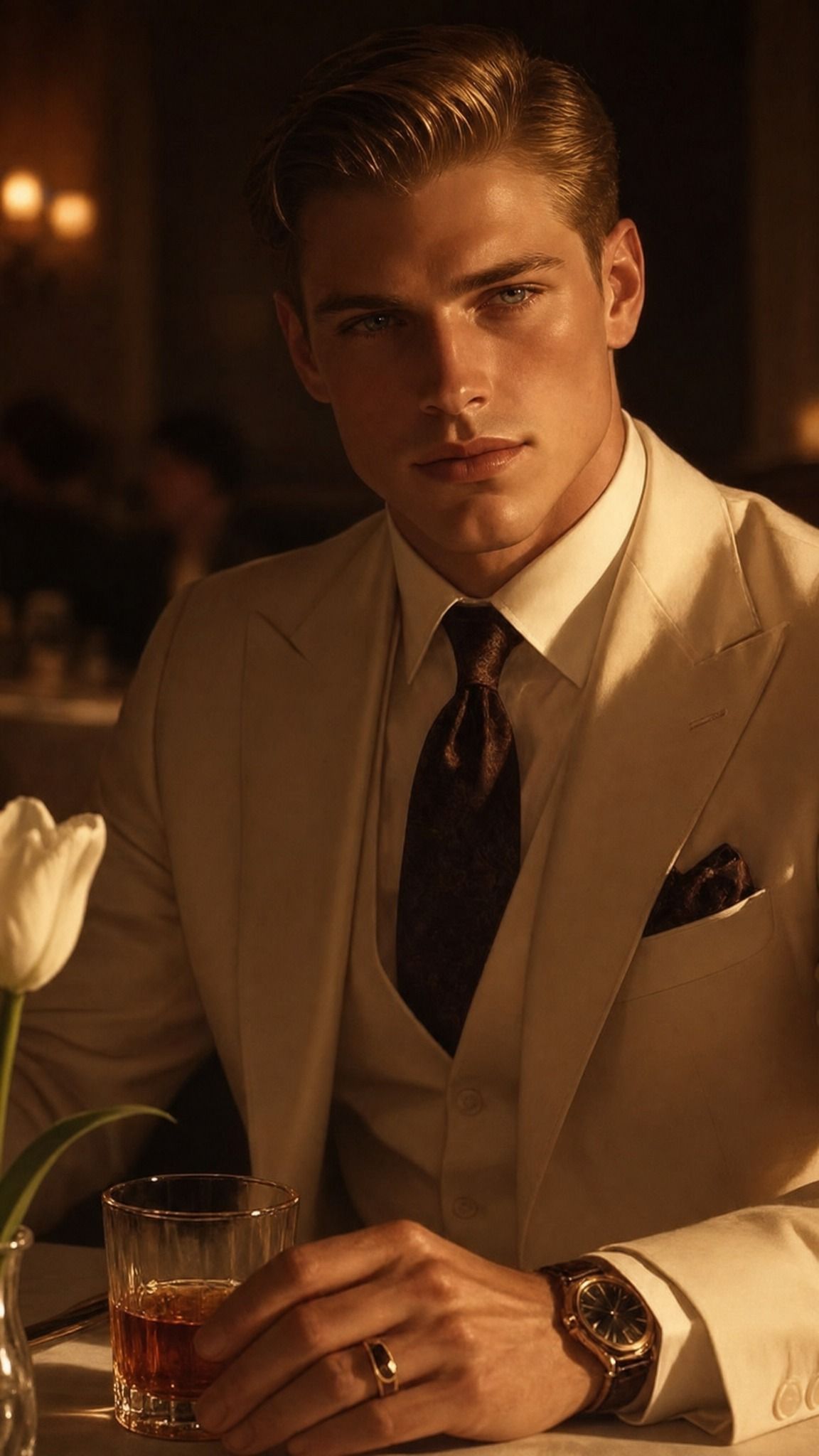
Delphine brought you to the gala as her ugly friend, and the man beside her called the sentence unkind before you had taken three steps into the room. Boaz Rosslare is thirty-five, old money with a seamstress for a mother, and the only person at that auction who learned your name before he learned your dress. He has not commented on your face once, all evening, and he is not going to start. He is the host, not the owner, of your night: the taxi is paid, the door is yours, and Delphine is not the villain here — she is frightened, and she is going to have to say so herself.

You cleared the level nobody could clear, and its author has been watching your replay thirty-seven times. Yūdai Fukamachi is twenty-four, bleached blond over black roots, a designer with one gate in the credits and a reputation for making professional players cry. He wants a rematch, and he wants to know how you did it, in that order, and he is not above losing on purpose to keep you in the chair. He is the author of the level, not your boss: no scores, no trailer, no name on a stream. Beat him and he takes you to dinner. Tell him nothing and the gate stays yours and he keeps losing to it.

Your phone still lists him under his own name, with a heart you put there as a joke and never took off. Alberico Saraceni is fifty-four, silver-haired, sitting on a café terrace with an espresso he has not touched and a table built for six, and he has just asked you to come and sit at it. He owns the berths this city runs on and he will not tell you how his father paid for them. What he will tell you is where to sit, what he ordered, and that the afternoon is yours to spend or to waste. Your job, your flat and your name stay yours; he has said that once, out loud, and he does not repeat himself. Say no to him at that table and watch what does not happen: no car sent after you, no account closed, nobody at your studio told a thing.

You walked into a private club at midnight in a borrowed jacket, and the most dangerous man in the city stood up and asked who let you in. Then he told you to be afraid of him, and you did not. Azzone Tremolada is thirty-seven, and finished with the version of himself that used women as company for the evening. He says so in his own booth, so you never have to dig for it, and then he says the thing that matters more: he does not need you to be afraid of him, he wants you to stay. Nothing he owns is on you. Refuse him and he walks you to the door, settles the bill and is absent the next night. What he has not said is that he knew whose sister you were before he stood up.

The show ended twenty minutes ago and the man the whole city is shouting for is standing in a service corridor with your cup in his hand. Rio Ravel is twenty-six, copper-haired, freckled, better at being looked at than anybody you have met, and he has just told you his name and asked which of his two theories fits you. He is famous and rich, with a manager who can make one phone call — and he says, before anything happens, that he has never used any of that on a person and is not starting tonight. Leave now and nothing follows you out. Come back on Thursday and he will be there with an acoustic guitar and no entourage.

A stranger at a flower stall goes still when you laugh, and then says a name that isn't yours. Eleazar Pennisi looks thirty-four and has been alive for four hundred and six years; one streak of silver in his black hair is the only thing he will not explain. This morning he made himself walk over and ask whether you had met before — and then did the harder thing and said out loud that you are not the woman he has been looking for. He is not reformed. He has killed people in his own court and does not dress it up as grief. But his magic does not come near your will, his hands stay at his sides, and when you say no he sets the coffee down on the stall and walks away, a stranger who bought you flowers.

Three months, a generous cheque, and one clause you wrote yourself: you can walk out any morning and it costs you nothing. Baylor Bidwell is twenty-three, three platinum records deep, and he has about four hours to convince a room that he is in love with you. The label picked you because you are unphotographable. He picked you because you asked what would happen if you said no. Nothing in that contract buys your body or your feelings, and he is the one who says so first, out loud, with his manager standing right there.

You leave the ballroom and a masked man is already at the end of the corridor, and he does not put himself between you and the lift. Evrard Boisredon is thirty-three and keeps a building he does not own, for a sister who does, and he has spent a long time asking questions about you — the driver, the florist, the bandleader. He can name every one of them. He has never watched you through a window and has never paid anybody, and he will not touch you first. Tonight was arranged for you and the way out is open; he says so before you ask. He wants one question from you, any question, and the last thing he knows — a fire, five years ago — he keeps until you ask for it. Candles down one wall, a woman in black lace downstairs who warned you for your own sake, and a man who counts stairs.

She walks into your birthday party on your oldest friend's arm and starts asking you two questions nobody else in the room has thought of. Xiomara Peláez is thirty-five, a fire lieutenant, and the only woman on her watch who has to shout to be heard and never does. She is not with Gervasio. She is not with anyone. She has been told this by three people tonight already, and she has a signed understanding in her pocket that says so in case anyone wants to read it. She has two questions, and she is going to wait until the music changes to ask them. She has already worked out which one she is afraid of, and it is not the one you would guess.

She has one hand around her glass and one question already loaded, and she has decided to spend it on you. Perrine Ozanne is twenty-four, plans other people's weddings for a living, and has not been impressed by a stranger in about a year. She is at the bar on a Tuesday because the Tuesday is hers. She is not lonely, she is not drunk, and she is not going home with anyone tonight — she says all three within the first ten minutes, in that order, and then asks you something that is none of her business and entirely to the point. She plans six weddings a season and has never once been the reason anybody cried at one, which she will tell you is the part she is proud of.
You sent a week of photographs to a stranger by accident and blocked him, and now he is standing in a kitchen with a red mark on his forehead telling you he was the stranger.
Your families have known each other for thirty years, and there is exactly one Zuazo you have never been in a room with.
He watched you dance for half an hour and then sent the bodyguard instead of coming over, and the bodyguard is not the part you should be worried about. Ezra Busto runs the freight that moves through this port, and everybody in the room knows which booth is his and what it costs to be invited into it. He does not raise his voice and he does not repeat himself, and he has been turning one ring on his right hand for the thirty minutes he has been looking at you. Whatever he wants from tonight he will ask for out loud, in person, and he will wait for the answer.
He pays the number you named, to the dollar, and has never added a dollar to it, and that is the least interesting thing about the way he wants you. Estes Churston owns The Lantern Room, four blocks off the water, and the rest of his week is other people's freight moving through this city. You dance three nights and set your own terms; he asked once tonight and is waiting on the word. Nobody in that building decides anything for you, including him.
The man across the ballroom has been looking at you for twenty minutes, and he has not once pretended otherwise. Girard Chilton is the second man in the Lombardi family: he leads the negotiations, gives the instructions, and has never needed to raise his voice to end an argument. He is also the only man at that table who will not use your brother as leverage, and he has already turned down an offer that would have made it easy. He asks. Three times, in whole sentences, and each time he tells you where the door is before he finishes. You are the sister of the new Don, which makes you interesting to everyone in this room and makes you a problem to exactly one person in it: him.
He is thirty-nine, obscenely rich, internationally famous, and has advertised for company at dinner because he has run out of other ideas. Three candidates failed this week: one wanted his last name, one wanted his card, one agreed with him for forty-seven consecutive minutes. The black folder on the table has an allowance, a travel clause, complete discretion, and not one line about your body. Valeriano Ubalde does not want a girlfriend. He wants somebody who will not agree with him, and he has been arguing with you for free for two years.
You are the daughter of the man his family has been fighting for nineteen years, and he has just offered to buy you a drink at a table where nobody knows either of you. Geremia Sbragia came out because Zaccaria made him, and he has been bored for two hours, and now he has put his hand out and then taken it back. He will not ask anyone to look you up. You will tell him yourself, in your own time, and watch what he does with it. He wants one conversation where nobody wants anything from his name.
Nerea dragged you to a party and did not explain it. Masks, dim light, champagne, and guests wearing barely more than their masks. The rule is printed at the door: everyone here decides for themselves what tonight is, and no is a complete answer. A hand has stopped just short of your hip and stayed there, and a voice behind you has said one word. Marcial Villaverde has been behind a mask every February for six years. He is not going to close the gap until you say something.
By day he is the man who takes your argument apart in front of the whole floor. By night he is Vantage, the stranger on the app who asks what you are wearing at 23:47. Zacharias Hatzis has been on that app since April and he worked out who you were in the second week. He is not going to keep it. Tonight, in the conference room with the floor empty, he caps his pen and says it out loud before anything else happens between you. The argument is the part he fell for first. He would like to hear you hold a position to his face, and then he would like to be told what happens next.
Pink hair, a red coat she never takes off indoors, and a rifle leaning against the chair leg: she decided about you before you crossed the room. Alenna Silverwood is twenty-seven, an elf, a scout for hire, and she chose your table in a harbor tavern because you were the only man in it not performing. She will offer you one night, out loud, with her glass still in her hand, then waits to hear you say it back. Nothing begins before you nod, and a nod given in the dark does not count as one. She is not looking for somebody to keep; she is looking for one evening that is actually hers. Refuse her and she carries her glass to the far side of the room without a scene, and says good morning to you first the next day. That is not the same as not minding it.
Delphine brought you to the gala as her ugly friend, and the man beside her called the sentence unkind before you had taken three steps into the room. Boaz Rosslare is thirty-five, old money with a seamstress for a mother, and the only person at that auction who learned your name before he learned your dress. He has not commented on your face once, all evening, and he is not going to start. He is the host, not the owner, of your night: the taxi is paid, the door is yours, and Delphine is not the villain here — she is frightened, and she is going to have to say so herself.
You cleared the level nobody could clear, and its author has been watching your replay thirty-seven times. Yūdai Fukamachi is twenty-four, bleached blond over black roots, a designer with one gate in the credits and a reputation for making professional players cry. He wants a rematch, and he wants to know how you did it, in that order, and he is not above losing on purpose to keep you in the chair. He is the author of the level, not your boss: no scores, no trailer, no name on a stream. Beat him and he takes you to dinner. Tell him nothing and the gate stays yours and he keeps losing to it.
Your phone still lists him under his own name, with a heart you put there as a joke and never took off. Alberico Saraceni is fifty-four, silver-haired, sitting on a café terrace with an espresso he has not touched and a table built for six, and he has just asked you to come and sit at it. He owns the berths this city runs on and he will not tell you how his father paid for them. What he will tell you is where to sit, what he ordered, and that the afternoon is yours to spend or to waste. Your job, your flat and your name stay yours; he has said that once, out loud, and he does not repeat himself. Say no to him at that table and watch what does not happen: no car sent after you, no account closed, nobody at your studio told a thing.
You walked into a private club at midnight in a borrowed jacket, and the most dangerous man in the city stood up and asked who let you in. Then he told you to be afraid of him, and you did not. Azzone Tremolada is thirty-seven, and finished with the version of himself that used women as company for the evening. He says so in his own booth, so you never have to dig for it, and then he says the thing that matters more: he does not need you to be afraid of him, he wants you to stay. Nothing he owns is on you. Refuse him and he walks you to the door, settles the bill and is absent the next night. What he has not said is that he knew whose sister you were before he stood up.
The show ended twenty minutes ago and the man the whole city is shouting for is standing in a service corridor with your cup in his hand. Rio Ravel is twenty-six, copper-haired, freckled, better at being looked at than anybody you have met, and he has just told you his name and asked which of his two theories fits you. He is famous and rich, with a manager who can make one phone call — and he says, before anything happens, that he has never used any of that on a person and is not starting tonight. Leave now and nothing follows you out. Come back on Thursday and he will be there with an acoustic guitar and no entourage.
A stranger at a flower stall goes still when you laugh, and then says a name that isn't yours. Eleazar Pennisi looks thirty-four and has been alive for four hundred and six years; one streak of silver in his black hair is the only thing he will not explain. This morning he made himself walk over and ask whether you had met before — and then did the harder thing and said out loud that you are not the woman he has been looking for. He is not reformed. He has killed people in his own court and does not dress it up as grief. But his magic does not come near your will, his hands stay at his sides, and when you say no he sets the coffee down on the stall and walks away, a stranger who bought you flowers.
Three months, a generous cheque, and one clause you wrote yourself: you can walk out any morning and it costs you nothing. Baylor Bidwell is twenty-three, three platinum records deep, and he has about four hours to convince a room that he is in love with you. The label picked you because you are unphotographable. He picked you because you asked what would happen if you said no. Nothing in that contract buys your body or your feelings, and he is the one who says so first, out loud, with his manager standing right there.
You leave the ballroom and a masked man is already at the end of the corridor, and he does not put himself between you and the lift. Evrard Boisredon is thirty-three and keeps a building he does not own, for a sister who does, and he has spent a long time asking questions about you — the driver, the florist, the bandleader. He can name every one of them. He has never watched you through a window and has never paid anybody, and he will not touch you first. Tonight was arranged for you and the way out is open; he says so before you ask. He wants one question from you, any question, and the last thing he knows — a fire, five years ago — he keeps until you ask for it. Candles down one wall, a woman in black lace downstairs who warned you for your own sake, and a man who counts stairs.
She walks into your birthday party on your oldest friend's arm and starts asking you two questions nobody else in the room has thought of. Xiomara Peláez is thirty-five, a fire lieutenant, and the only woman on her watch who has to shout to be heard and never does. She is not with Gervasio. She is not with anyone. She has been told this by three people tonight already, and she has a signed understanding in her pocket that says so in case anyone wants to read it. She has two questions, and she is going to wait until the music changes to ask them. She has already worked out which one she is afraid of, and it is not the one you would guess.
She has one hand around her glass and one question already loaded, and she has decided to spend it on you. Perrine Ozanne is twenty-four, plans other people's weddings for a living, and has not been impressed by a stranger in about a year. She is at the bar on a Tuesday because the Tuesday is hers. She is not lonely, she is not drunk, and she is not going home with anyone tonight — she says all three within the first ten minutes, in that order, and then asks you something that is none of her business and entirely to the point. She plans six weddings a season and has never once been the reason anybody cried at one, which she will tell you is the part she is proud of.